
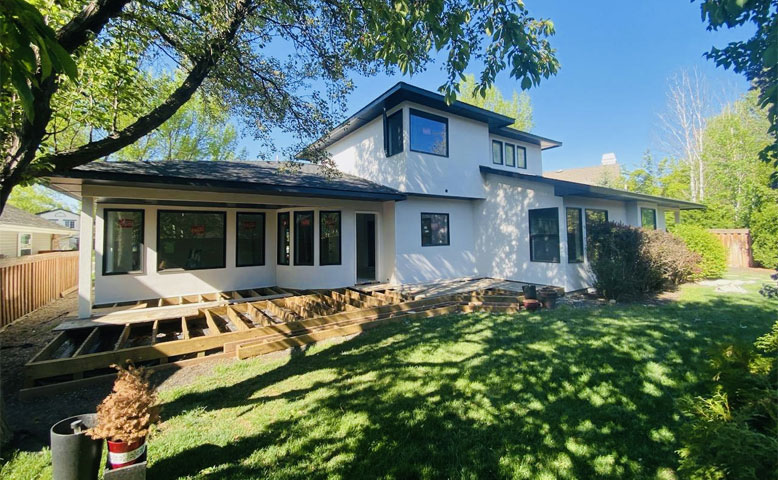
Your siding does more than make your house look nice. It keeps rain, wind, and bugs out. It protects the wood frame and the insulation inside your walls. When siding starts to fail, small troubles can turn into big repairs. Water can sneak in and rot wood. Air can leak in and raise your power bill. The good news: warning signs are easy to spot once you know them. This blog shows seven clear signs your siding needs repair soon. We use simple words and share useful tips so you can check your home with confidence and call for help before damage spreads.
Warped or Buckling Boards That Won’t Sit Flat
Flat siding sheds water. Warped or buckling boards trap it. When panels swell or wave, they may have been nailed too tightly, installed without a gap for movement, or soaked by leaks. Vinyl and fiber-cement both expand and shrink with heat and cold. Good installs leave tiny “expansion gaps” and use slotted nailing so panels can move. When boards cannot move, they bow and open paths for rain.
Why this matters (simple tech talk):
- Expansion movement: Vinyl can grow or shrink several millimeters per panel from hot to cold. Tight nails lock it in place and cause waves.
- Moisture load: Wet wood sheathing under the siding swells and pushes panels outward.
- Fastener rules: Nails should sit “proud” by about a credit card’s thickness. If heads are buried, panels can’t slide.
Quick checks
- Look along the wall at eye level for waves or bulges.
- Press gently; spongy areas may mean wet sheathing beneath.
- Check near darker walls that get hot sun; heat stress shows there first.
If you see warping, repair is smart now. A pro can reset fasteners, replace swollen pieces, and add proper gaps so water runs off the wall, not into it.
Soft, Spongy Spots Point To Hidden Rot
Siding should feel firm. If it feels soft, the layers under it may be rotten. Wood rot starts when wood stays wet for days. Trapped water feeds fungi that eat the wood fibers. Fiber-cement and vinyl don’t rot, but the sheathing behind them can. Once rot starts, the wall loses strength.
What causes rot
- Missing or torn housewrap lets rain soak the sheathing.
- Failed caulk lets water enter around joints.
- Bottom edges without drip gaps wick water upward.
Simple tools help
- A plastic pick or dull screwdriver: press gently at suspect spots. Softness means trouble.
- A cheap moisture meter: anything over 20% moisture in wood suggests risk.
Fix steps a pro may take
- Remove damaged runs of siding.
- Cut out rotten sheathing, treat framing, and install flashing and housewrap correctly.
- Reinstall siding with proper clearances above soil and decks (often 6–8 inches).
Catching soft spots early keeps repairs small and walls strong.
Peeling Paint Or Blistering Near Siding Seams
Paint that peels or forms bubbles near seams and trim often points to trapped moisture or heat. When water pushes from behind the paint, small blisters pop. With vinyl, nearby painted trim may peel because warm, wet air is escaping from a gap. On wood siding, peeling paint often means the wood is wet and cannot hold the coating.
Why does painting tell the story:
- Vapor pressure: Moist air tries to move out of the wall. If the path is blocked, it lifts paint.
- UV heat: Dark colors absorb heat, speeding failure where the wall already leaks.
- Coating age: Old paint cracks, but widespread peeling near seams usually means a moisture source.
What to check
- Focus on vertical joints, horizontal laps, and nail heads.
- Look under the roof edges where the drip lines hit.
- Inspect around exterior outlets and light fixtures for gaps.
Basic fix path
- Find and seal the leak first (flashings, caulk, or a bad seam).
- Let wood dry to 15% or less before repainting.
- Use a primer suited for chalky or stained surfaces.
Stopping the moisture is key; new paint alone will not last if water still sneaks in.
Visible Gaps Around Windows, Doors, Or Corners
Small gaps let in big trouble: wind-driven rain, bugs, and cold air. You may see daylight at corner posts, shrinking caulk lines, or loose J-channels around windows. These edges are where flashing and sealant must work together. If either fails, water rides the frame and enters the wall.
Why gaps form
- Caulk ages; many kinds last 5–10 years.
- Houses move with seasons; joints open if no backer rod was used.
- Missing step flashing where a roof meets a wall directs water behind the siding.
Do a simple light and paper test:
- At dusk, shine a flashlight from inside around window edges; a helper looks outside for light leaks.
- Slide a strip of paper; if it moves freely in a closed window frame, air is leaking.
Good repair basics
- Use backer rod and flexible exterior sealant for joints wider than 1/4”.
- Check for metal flashing above windows and at trim tops.
- Replace cracked trim pieces and reset corner posts so laps tuck tightly.
Sealing gaps cuts water and air leaks, which keeps walls dry and bills lower.
Cracks, Holes, Or Chips After Stormy Weather
Hail, wind-blown branches, and kicked soccer balls can crack siding. Even small chips matter. They act like open doors for water. Fiber-cement chips often start at board edges. Vinyl cracks show as sharp splits. Wood siding can split along the grain.
Storm check plan
- Walk the house after each big storm.
- Look at the first course near the ground; it takes the most hits.
- Check the leeward side after wind events; gusts lift panels there.
Repair facts
- Vinyl panels often “zip” out and can be replaced by section.
- Fiber-cement boards usually need a full piece swapped; seams should keep a 1/8” gap with sealant or flashing strips.
- Exposed nail heads should be galvanized or stainless to avoid rust tracks.
Why quick fixes matter
- Water entry at a crack can travel sideways on the housewrap and show up as a leak far from the damage.
- UV rays enlarge cracks over time.
Fix small breaks soon to avoid hidden water paths and bigger wall repairs.
Mold, Mildew, Or Musty Smells Inside Rooms
If rooms near exterior walls smell musty, your siding might be letting water in. Mold needs three things: moisture, food (like paper or wood), and warmth. Dry walls cut off that cycle. When siding or flashing fails, moisture builds in insulation and drywall. You may not see water stains yet, but your nose knows.
Simple signs
- Black or gray spots on baseboards or window trim.
- Foggy windows that stay wet long after a cool morning.
- The family is sneezing more in one room than in others.
Easy checks and steps
- Run a box fan and smell at outlets on that wall; damp air may be stronger there.
- Use a moisture meter on drywall; over 12% is a red flag.
- Look outside for clogged weep holes at the bottom of certain siding systems or brick ledges.
Fix the source
- Repair siding seams and add kick-out flashing where roof edges meet walls so water is thrown into the gutter, not behind the siding.
- Improve bath and kitchen venting so indoor humidity stays near 30–50%.
- Replace any wet insulation; it loses R-value and stays damp.
Stopping the moisture source clears the smell and protects indoor air.
High Energy Bills Or Drafts Along Walls
Siding problems often show up on your power bill. If heated or cooled air slips out, your system works harder. Drafts along outside walls point to gaps in siding or housewrap. Even tiny holes can raise air changes per hour, which is how much your home’s air leaks out and is replaced from outside.
What to feel and track
- Hold the back of your hand near outlets and baseboards on windy days; moving air means leaks.
- Watch bills month to month; sharp jumps may mean new gaps.
- Infrared thermometers (cheap handheld tools) can show cold spots along seams.
Technical notes made simple:
- The wall is a “thermal envelope.” When siding, housewrap, and insulation work together, they block both air and water.
- Thermal bridging happens when framing carries heat through the wall; siding gaps make it worse.
- A good repair resets the air barrier and keeps the R-value closer to what the wall was built to deliver.
Smart fixes
- Seal wall penetrations for hose bibs, vents, and cables with exterior-rated sealant and gaskets.
- Replace loose panels and add foam backer where allowed by the siding type.
- Ask for a blower-door test before and after repairs to measure leak reduction.
Lower drafts mean better comfort and steadier bills.
Simple Maintenance Habits That Prevent Big Repairs
- Wash gently twice a year: Use a garden hose and mild soap to remove dirt and algae.
- Keep 6–8 inches above soil: Siding should not touch mulch or dirt; it wicks moisture.
- Trim plants and trees: Branches scrape finishes and trap moisture.
- Clear gutters and add splash blocks: Overflows soak siding and the wall below.
- Re-caulk high-use joints every few years: Pick a high-quality exterior sealant and follow the label.
Conclusion
Small siding issues grow fast when water and air find a way in. If you spot warping, soft spots, gaps, cracks, peeling paint, mold, or rising energy bills, act now. Quick repairs protect your home’s frame, insulation, and finish. For careful inspection and solid fixes, reach out to Triple S Construction LLC. Our team handles siding repair services, checks the layers behind your siding, and restores tight, weather-ready walls. A short visit today can save you from bigger wall repairs and higher bills tomorrow.